
Why Alabama Humidity Causes Faster Exterior Staining
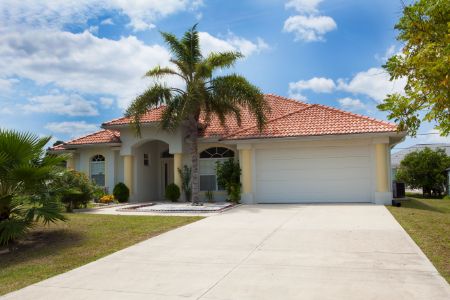
If you own a home in Daphne, you already feel it in the air. Thick Gulf moisture and high dew points mean surfaces stay damp longer, which accelerates the growth of algae, mildew, and grime. That's why homes here benefit from routine pressure washing and careful soft cleaning to protect paint, siding, roofs, and hardscapes.
How Humidity Changes the Game
Humidity isn't just uncomfortable. It changes how fast stains form. When warm air from Mobile Bay meets cooler evenings, moisture condenses on your siding, shingles, and concrete. Those tiny water films are like a welcome mat for airborne spores and coastal pollen. In shaded spots along Lake Forest and Montrose, the moisture lingers even longer. That extended wet time lets organic growth anchor to surfaces and start feeding on dust, pollen, and the minerals that settle after summer storms.
Because humidity shortens the time between cleanings, professional scheduling matters more on the Eastern Shore than in drier regions. A smart plan targets early spring before dew points spike and again after peak storm season to knock back the buildup that summer left behind.
What Stains Grow Faster Along Mobile Bay
Most homeowners see a few common culprits bloom faster in our climate. Knowing what you are looking at helps you understand why it came back so quickly.
- Green film on siding or trim. This is usually algae feeding on moisture and airborne nutrients, especially on the north and east sides that get less sun.
- Black streaks on asphalt shingle roofs. These are often colonies of an algae species that thrives in warmth and humidity and feeds on shingle fillers.
- Darkened concrete and pavers. Mildew and grime take hold in pores and stay damp after Gulf showers, especially in driveways and walkways shaded by live oaks.
- Rust or orange stains. Iron-rich water, sprinklers, or fertilizer overspray can leave marks that wick deeper when surfaces stay wet for hours.
Black roof streaks are living algae that feed on oils from shingles. Left alone, they hold moisture against the granules and raise roof temperatures in the sun, which can shorten shingle life and hurt curb appeal in neighborhoods like Olde Towne Daphne or Malbis.
Where Moisture Hides Around Your Property
Alabama humidity doesn't hit every surface the same way. Pay attention to places where moisture and organic debris collect. That's where stains start first and return fastest.
Look for tight spots behind downspouts, the lower edges of lap siding, soffits near shaded porches, and the inside corners of privacy fences. Along the ground, mulch beds pressed against siding hold dampness, and sprinkler overspray keeps siding and brick wet longer than rain ever would.
Concrete is porous, so dew and sprinkler water settle into tiny voids. When days turn hot and sticky, the surface never fully dries before the next cycle of condensation. This on-and-off wetting is perfect for mildew to root in and slowly darken the slab.
Materials Matter: Siding, Roofs, Brick, and Concrete
Different materials respond differently to heat and humidity. Vinyl and painted fiber cement resist some growth, but they still collect film that dulls color. Stucco can absorb moisture and show dark blotches that are hard to hide with paint. Brick and mortar can wick water, then leave efflorescence that traps grime. Asphalt shingles are vulnerable to algae that leaves long, dark trails downhill from the ridge.
Because these surfaces vary, the cleaning approach should match the material. High pressure on shingles or stucco can cause permanent damage, and even on concrete, the wrong tip held too close can scar the surface. That's why experienced crews use controlled pressure, precise nozzles, and solutions calibrated for the stain and substrate.
Local tip: Along Mobile Bay, late spring mornings often push dew points above 70. North-facing walls in Lake Forest and Montrose stay wet past noon, which accelerates algae. Booking exterior cleaning before the first long stretch of sticky days reduces how fast stains return.
Safe Cleaning Methods That Work in Humid Climates
Professionals choose methods that remove growth while protecting the surface from wear. For tough, durable areas like many driveways and some masonry, carefully managed pressure washing lifts embedded grime. For painted siding, delicate trim, and shingle roofs, low-pressure application with the right solution, followed by a gentle rinse, is the safer path. That's why you will often hear about soft washing for roofs and home exteriors in shaded, humid zones across Daphne.
In our climate, the goal is to break the moisture-growth cycle. The correct process clears the biofilm and the residue it feeds on. When the film is gone, surfaces dry faster after rain and dew, which slows the return of staining.
Smart Maintenance Timing For The Eastern Shore
Humidity isn't constant all year. The Gulf brings patterns you can plan around, especially if you live in neighborhoods like Belforest or near the Spanish Fort line. Early spring service removes winter film before pollen season, which keeps that yellow dust from sticking so fiercely. A post-storm-season visit resets your surfaces after frequent showers and leaf drop.
Homeowners often ask how often to clean. The answer depends on shade, trees, and how close you are to the Bay. Many Daphne homes see the best results with a predictable rhythm rather than waiting until stains are heavy. That steady pace also reduces chemical contact time and the need for aggressive pressure.
- Shingle roofs in shaded lots often benefit from gentle attention on a two to three-year cycle.
- Siding and trim in humid pockets may look their best with annual soft cleaning.
- Driveways, walks, and pool decks frequently need seasonal refreshes after heavy pollen and storm periods.
Humidity, Pollen, and Salt: The Three-Part Problem
Alabama humidity keeps surfaces damp, but pollen and light salt from coastal air add fuel. Pollen is sticky and full of nutrients. When it falls on a wet wall, it becomes a starter meal for growth. Even low salt levels can draw moisture from the air, which keeps surfaces damp longer than rain alone would.
That's why unsheltered fences on the south side of a yard can stain as fast as shaded walls. Their constant sun bakes in pollen and dust. Evening humidity then re-wets those particles, creating a cycle that repeats until a thorough professional cleaning breaks it.
What Homeowners Notice First
Most people see a hazy green on the lower three feet of siding, dark arcs under roof vents, or a gray veil across the driveway. The smell of a damp fence after a storm can be another early clue. Spots that feel slick underfoot are not just cosmetic. They tell you the surface film is active, holding moisture and soil right where you don't want it.
If you see new algae within months of a heavy cleaning, humidity is the reason, not a failure of the process. The environment simply reloads surfaces faster here. The answer is a maintenance cadence tailored to your lot and materials, not more brute force.
Why Professional Help Beats A Once-A-Year Scrub
In a high-humidity zone like Daphne, the difference between a short-term shine and a long-lasting clean is technique. The right flow rate, nozzle selection, dwell time, and rinse routine make surfaces dry faster and stay cleaner between visits. Pros also protect caulk lines, weep holes, attic vents, and landscaping while they work, which matters when afternoon storms can pop up any day.
If you are comparing methods, our power washing expertise and gentle processes for delicate surfaces provide a balanced approach. The goal is a clean home that's protected, not just a surface that looks bright for a week.
Roof Cleaning Without Risk
Shingle roofs are a special case in Alabama's humidity. Algae grips granules and spreads where moisture lingers, often on the north face. The safe answer in our climate is a low-pressure, solution-forward approach that loosens growth and lets it rinse away gently. Done correctly, it restores color and helps shingles shed water as designed. It also lowers rooftop heat gain because black streaks absorb sunlight.
Tile and metal roofs in areas like Malbis and near Highway 98 can collect windblown debris that holds moisture at laps and fasteners. Clearing that buildup the right way helps the roof dry out quicker after steamy nights.
Concrete, Brick, and Paver Surfaces
Driveways, porches, and pool decks see standing water and foot traffic that grind in film. Concrete is tough but porous. Controlled pressure removes the algae and mildew inside the surface pores without gouging or raising the paste. Brick and pavers often need a careful pre-rinse and a pattern that clears joints without dislodging sand. The result is a surface that dries clean after showers rather than darkening again a day later.
Protecting Paint and Trim
Painted trim and fiber cement boards are common around Daphne. Humidity finds tiny nicks and unsealed edges that hold moisture longer. Gentle soft cleaning preserves paint and caulk lines. It also exposes small problem areas so you can plan touch-ups before the next wet season compounds the issue.
When To Schedule Service
Watch the calendar and the forecast. If dew points are staying high for days and your shaded walls look hazy, it's time. Roof streaks that reach halfway down the slope or a driveway that looks darker in a day or two after cleaning are clear signals too. Booking before holiday gatherings or listing photos can help your home show its best. A steady plan keeps growth from getting a foothold.
Your Next Step to A Cleaner Home Exterior
Humidity will always be part of life on the Eastern Shore. The key is working with a team that matches methods to materials and to our climate. Whether it's algae on shaded siding in Lake Forest, black roof streaks after a steamy summer, or a driveway that will not stay bright, there's a smart process for it. Balanced cleaning helps your home dry faster, resist buildup, and look great longer.
Schedule with SoftWasherz before peak humidity returns so stains don't set in again. We're ready to help you plan a maintenance rhythm that fits your lot, shade, and materials, and to keep your Daphne home looking its best all year. For quick scheduling, call 251-263-5057 today.